Underwear fabric guide: modal, Supima cotton, silk, nylon and PLA
Fabric decides how underwear feels, how long it lasts and most of what it costs. Here is how the fibers we knit every week compare, so you can choose for your customer and your price point.
Published
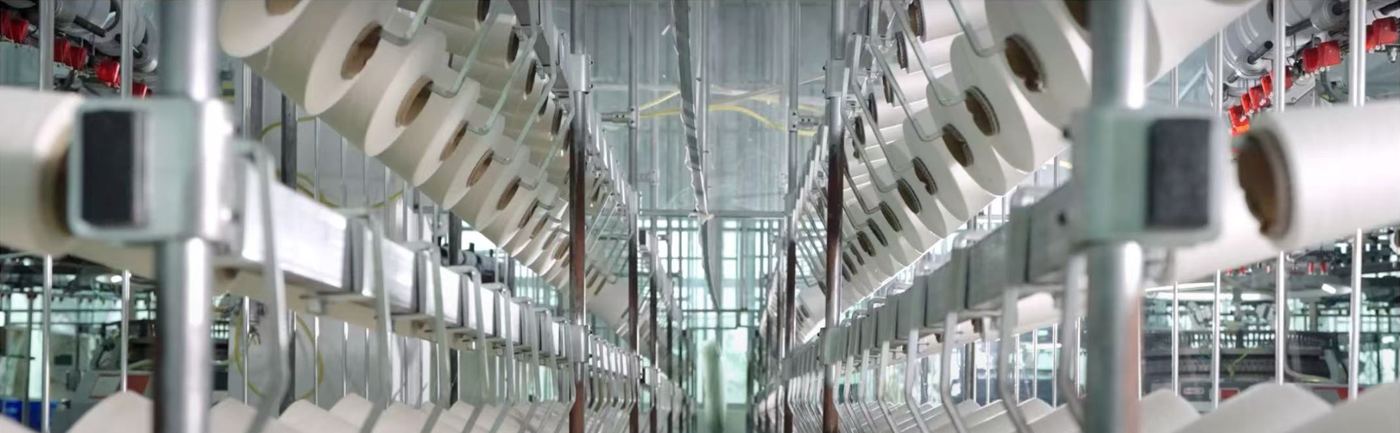
Modal and Lenzing modal
Modal is a cellulose fiber made from beech wood. It is very soft, drapes well, feels cool and keeps its color after many washes, which is why it is the most common premium fabric for everyday briefs and trunks. Lenzing modal is the branded version from the Austrian producer Lenzing, with consistent quality from lot to lot. We use it at 60S yarn count and in blends such as 89% modal / 11% spandex. See our modal briefs.
Supima and combed cotton
Cotton breathes, absorbs moisture and is familiar to every customer. Combed cotton has the short fibers removed for a smoother, stronger yarn. Supima is a licensed name for American Pima cotton, an extra-long-staple cotton that makes finer, stronger yarn with less pilling. Cotton holds moisture longer than modal or nylon, so it suits everyday and thermal wear more than sport. See our cotton thermal sets.
Mulberry silk
Mulberry silk comes from cultivated silkworms and gives the smoothest, most luxurious hand of any underwear fiber. It is light and breathable but more delicate and expensive, so it is used for premium briefs and for gusset linings in modal styles. Our silk brief is 86% mulberry silk with 14% spandex.
Nylon "ice silk"
"Ice silk" is the trade name for smooth nylon-spandex knits with a cool touch. They are thin, quick-drying and slightly shiny, and they suit seamless bonded construction because the cut edges do not fray. Typical blends run around 73% nylon / 27% spandex. They are the standard for men's seamless boxers and summer styles.
Lyocell and PLA fiber
Lyocell is a cellulose fiber made in a closed-loop process; in an 80S rib it gives a light, elastic, matte fabric. PLA (polylactic acid) fiber is made from fermented plant sugars and is used in gussets for its moisture-wicking feel. Both help brands that want a lower-impact story, but ask for test reports before making any environmental claim on your packaging.
What yarn counts like 60S and 80S mean
The "S" number is the yarn count: the higher the number, the finer the yarn. Finer yarns knit into lighter, smoother, more expensive fabric. 40S is a sturdy everyday cotton, 60S a fine premium fabric, and 80S very fine, used for light rib and luxury styles.
How much spandex?
Spandex (elastane) gives stretch and recovery so underwear keeps its shape. Cotton and modal briefs usually carry about 5 to 12%, while nylon seamless styles carry more, often 20 to 30%, for a close fit. Too little and the garment bags out; too much and it feels tight and synthetic.
Quick comparison
| Fiber | Feel | Strengths | Watch out for | Price level |
|---|---|---|---|---|
| Modal | Very soft, cool | Drape, color retention | Lower absorbency than cotton in heavy sweat | Mid to premium |
| Supima cotton | Soft, natural | Breathable, durable, familiar | Dries slower | Mid to premium |
| Combed cotton | Smooth, natural | Breathable, good value | Dries slower | Entry to mid |
| Mulberry silk | Smoothest, luxurious | Light, breathable | Delicate care | Premium |
| Nylon ice silk | Cool, slick | Thin, quick dry, bonded edges | Less breathable than cellulose | Mid |
| Lyocell / PLA | Soft, matte | Lower-impact story, moisture handling | Back claims with test reports | Mid to premium |
Our fabric mill is certified to OEKO-TEX STANDARD 100 in Product Class I, the strictest class (certificate 2601022). See the factory page for the full fabric library.